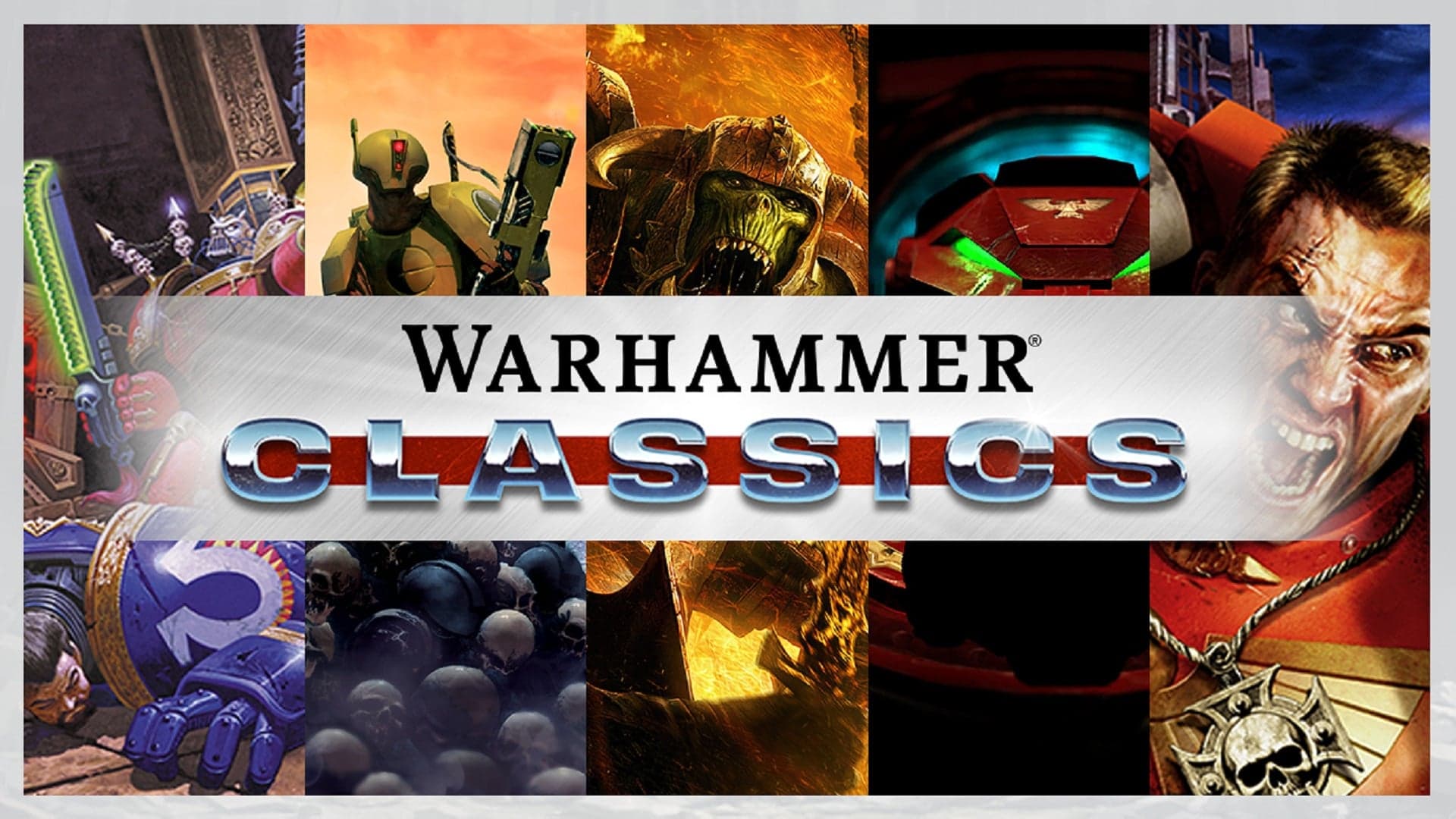
Recently, Warhammer fans celebrated as over a dozen classic titles from the beloved series were released on Steam, several for the very first time. The Classics library encompasses everything from the grim Dark Omen to the action-packed Space Hulk titles and the naval battles of Man O’War: Corsair. GameObserver spoke with Oleg Klapovskiy and Artem Shchuiko, co-founders of the publisher SNEG, about the release of Warhammer Classics. The duo talked about the importance of preserving classic games, the challenges they encountered in bringing the Classics titles to Steam, and even suggested which games new Warhammer fans should start with from the extensive library of releases.
Classic Games Preservation And Its Increasing Importance
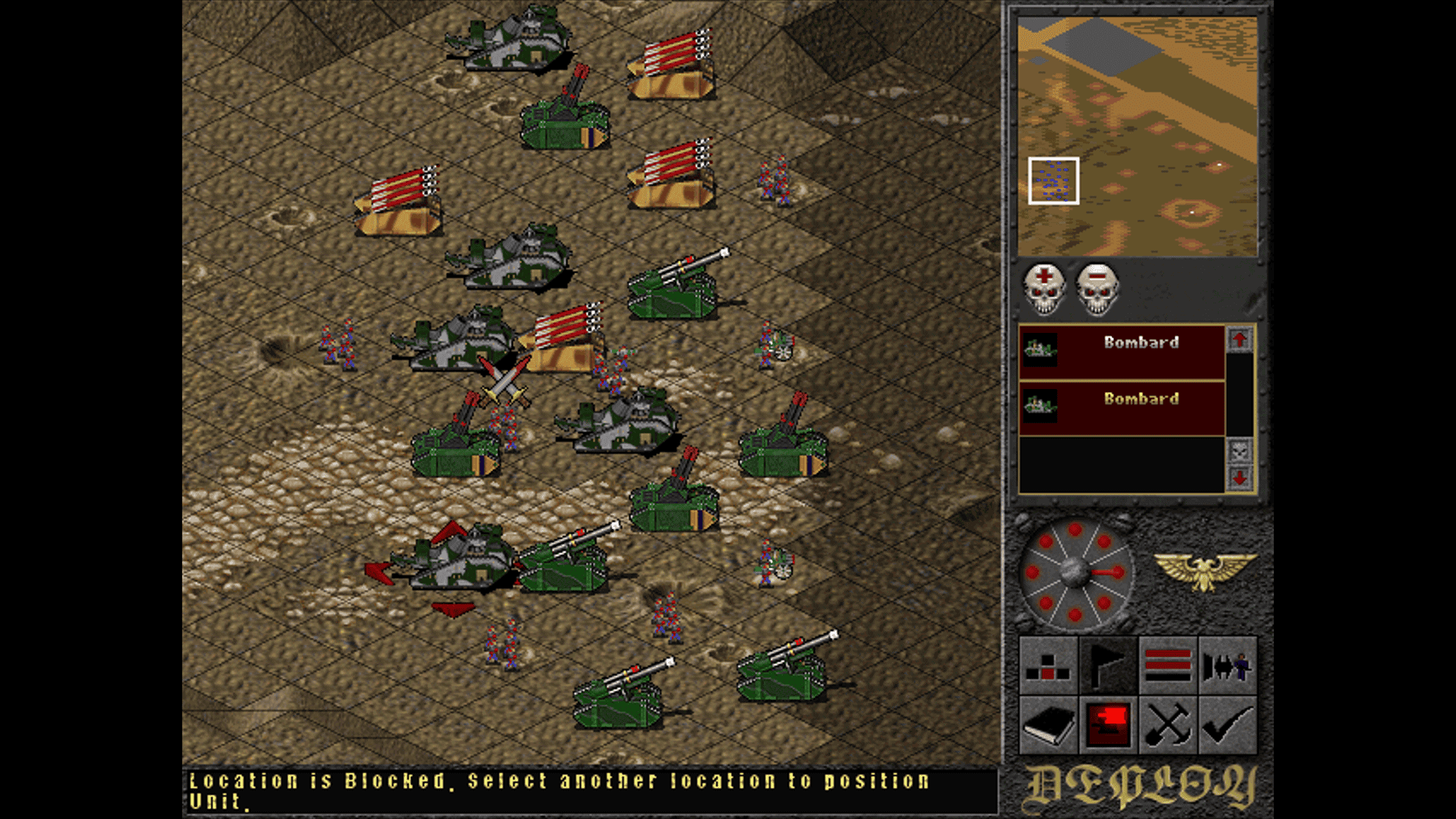
GameObserver: Could you talk to us a bit about the process of choosing which games would be included in the Warhammer Classics collection – did the lineup change at all, were there any that got added or changed during the process?
Klapovskiy: There was no single factor behind it, and I would not present it as one simple process. There are many great games set in the Warhammer universes, and quite a few of them still have strong communities around them. We are gamers ourselves, and very much part of that broader community. So, in that sense, it was not difficult to recognize which titles have stayed with players and continue to matter. That understanding naturally helped to add games to Warhammer Classics.
GameObserver: When choosing games to remaster and to include, how do you balance appealing to newer players and to longtime Warhammer fans who will feel a lot of nostalgia for these titles?
Shchuiko: For fans, it starts with respect for the original. These players already know what made these games special, so our job is not to reinvent them, but to bring them back in a way that feels authentic and playable on modern systems.
For newer players, the key is accessibility and context. The games need to be easy to access, easy to run, and clearly presented for what they are. That is one of the reasons the Warhammer Classics label matters, it helps set expectations and gives these titles a clear identity. So the goal is really to serve both audiences at the same time: preserve what older fans remember and value, while trying to make sure new players can still discover why these games mattered in the first place.
GameObserver: Why do you feel that the preservation of classic games, especially on modern consoles, is more important than ever in 2026?
Klapovskiy: I would not say there is one perfect moment for this, but I do think it is more important than ever now. Too many games are simply disappearing – from storefronts, becoming unplayable due to hardware changes, and sometimes from the players’ memory altogether. We strongly believe that video games should be preserved in the same way as other cultural works.
Modern consoles are an important part of that, because for many players they are the most natural and accessible way to experience games. If classic titles only survive on old hardware, then a large part of the audience simply loses access to them. Preservation only really matters if people can still play the games.
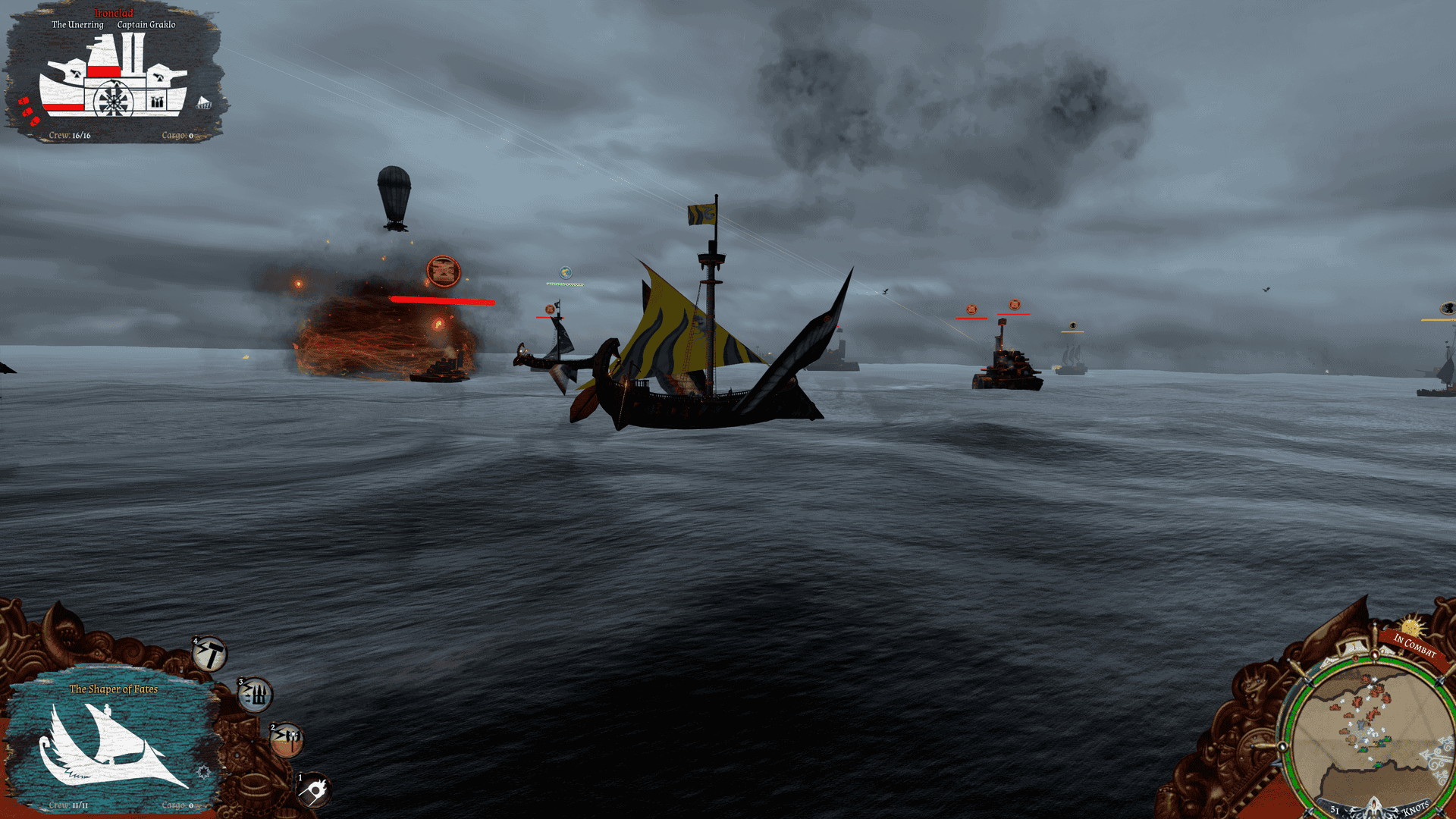
GameObserver: Were there any unexpected challenges you encountered in the process of creating this collection of games?
Klapovskiy: Yes, although in this kind of work, you always expect the unexpected. Every older game breaks in its own way, and there is never one universal solution. Some of the biggest surprises come from how differently games from the same era were built and how many hidden dependencies or assumptions they have about old operating systems, installers, hardware, or file structures.
GameObserver: Hopefully, other developers and companies will follow in the footsteps of Warhammer Classics to preserve their classic titles as well. As a leader in this field, what advice would you give to others taking on similar preservation initiatives?
Shchuiko: Our advice would be simple: please let your IPs live. If you do not have the internal resources to support an older title or bring it back yourself, then be open to working with partners who genuinely care about it. And if that is not possible, at least leave room for the community to help keep it alive. Also, preserve your source code. Future generations will thank you for it. In our experience, the lack of preserved source code is still one of the biggest obstacles in this kind of work.
GameObserver: Why do you feel that the PC is a critical platform when it comes to preserving and re-releasing classic games?
Shchuiko: PC is critical because that is where so many of these games were born in the first place. It has the longest continuity, the deepest back catalog, and still gives the most flexibility when it comes to preserving, updating, patching, and improving older titles.
It is also where communities have kept classic games alive for years through mods, fixes, guides, and discussion. And on top of that, platforms like Steam or GOG give these games visibility again, not only for players who remember them, but also for entirely new audiences discovering them for the first time.
Appealing To New And Old Warhammer Fans Alike
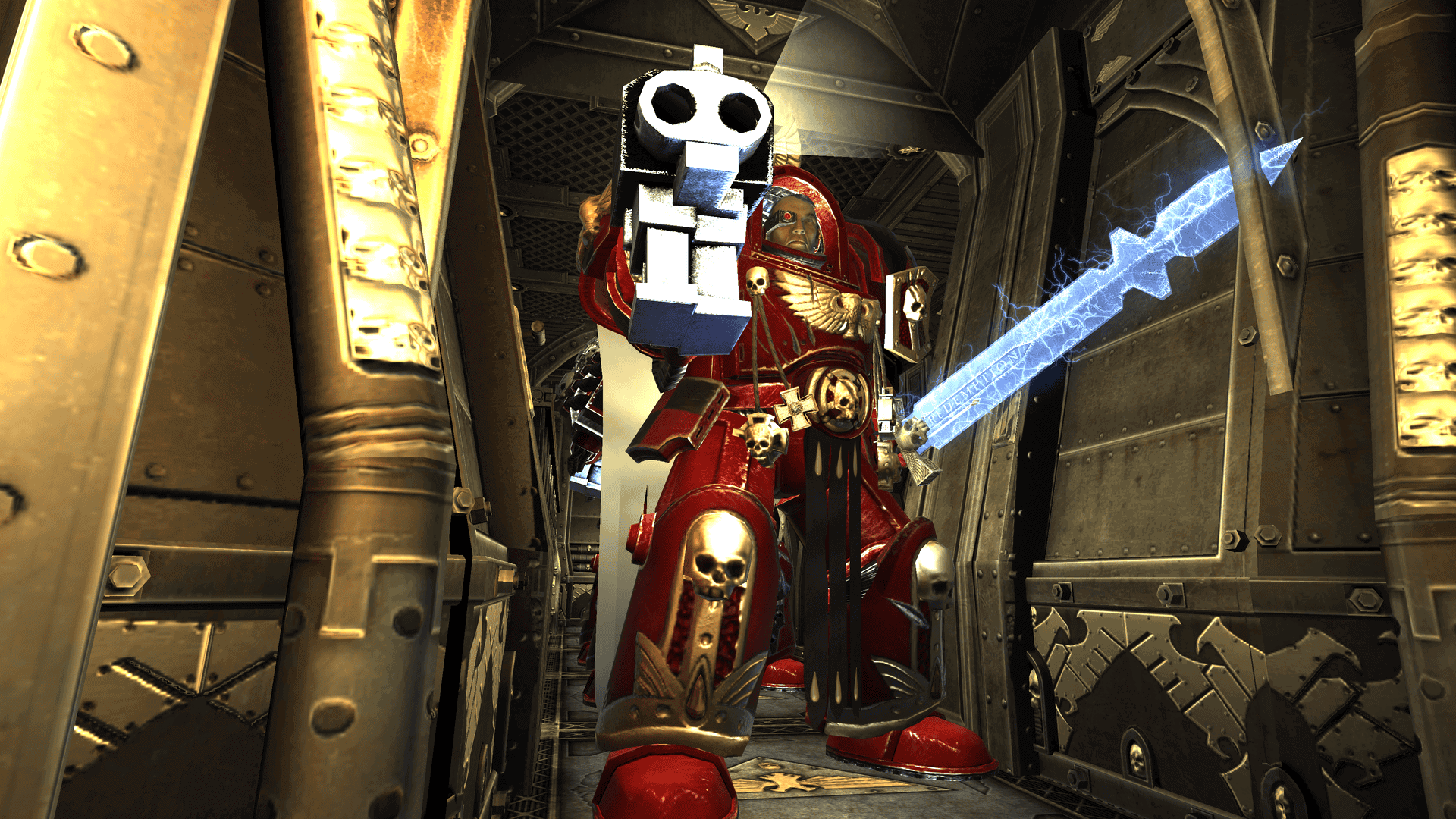
GameObserver: Warhammer as a fandom has a lot of fans who came into it through non-video game directions (tabletop, books, miniature collecting/painting). How do you feel that Warhammer Classics engages with those fans, and have you seen more fans getting into the video game side of Warhammer?
Klapovskiy: I think that is one of the biggest strengths of Warhammer. These universes are deep enough that people can come to them from many different directions – tabletop, books, miniatures, or video games, and still feel they are entering the same world.
GameObserver: You mention “messaging, discoverability, and community engagement” as an extremely important part of the Warhammer Classics launch. Can you tell us more about what your community engagement strategy has been like? Any surprises or particularly fun/exciting moments with the community response to the announcement?
Klapovskiy: For us, messaging and discoverability were critical because we wanted to be very clear about what these titles are. In a market crowded with new releases, players need context. They need to understand that these are not new games pretending to be modern releases, but classics from an earlier era being brought back properly.
Community engagement starts even before release. We pay close attention to player needs, community fixes, modding work, and long-term fan feedback. In some cases, we work closely with modding communities directly; in others, we focus on making sure our releases are compatible with what fans have already built.
One of the most exciting parts of the response has simply been seeing how much goodwill exists for these games. Players remember them, care about them, and want to talk about them. That kind of reaction is always encouraging because it reminds you that preservation work really matters.
Where To Start With The Massive Classics Library?
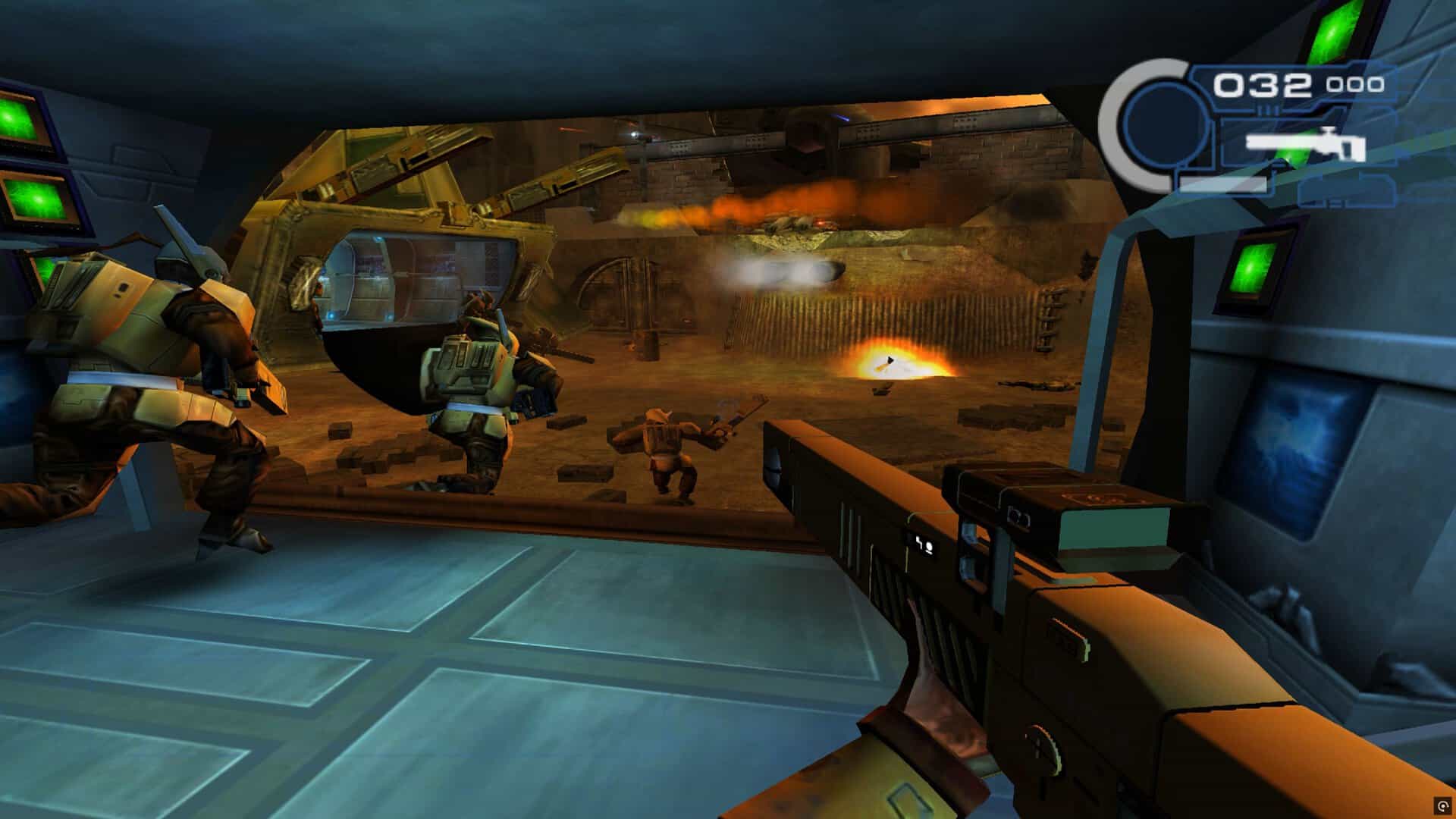
GameObserver: This is one I personally am excited to hear answers to – with so many games in the collection, which ones would you recommend playing first? What are some good titles to get started with and why? (I haven’t decided where to start yet and will probably take your advice!)
Klapovskiy: That depends a bit on what kind of player you are, because the collection covers very different genres. 🙂
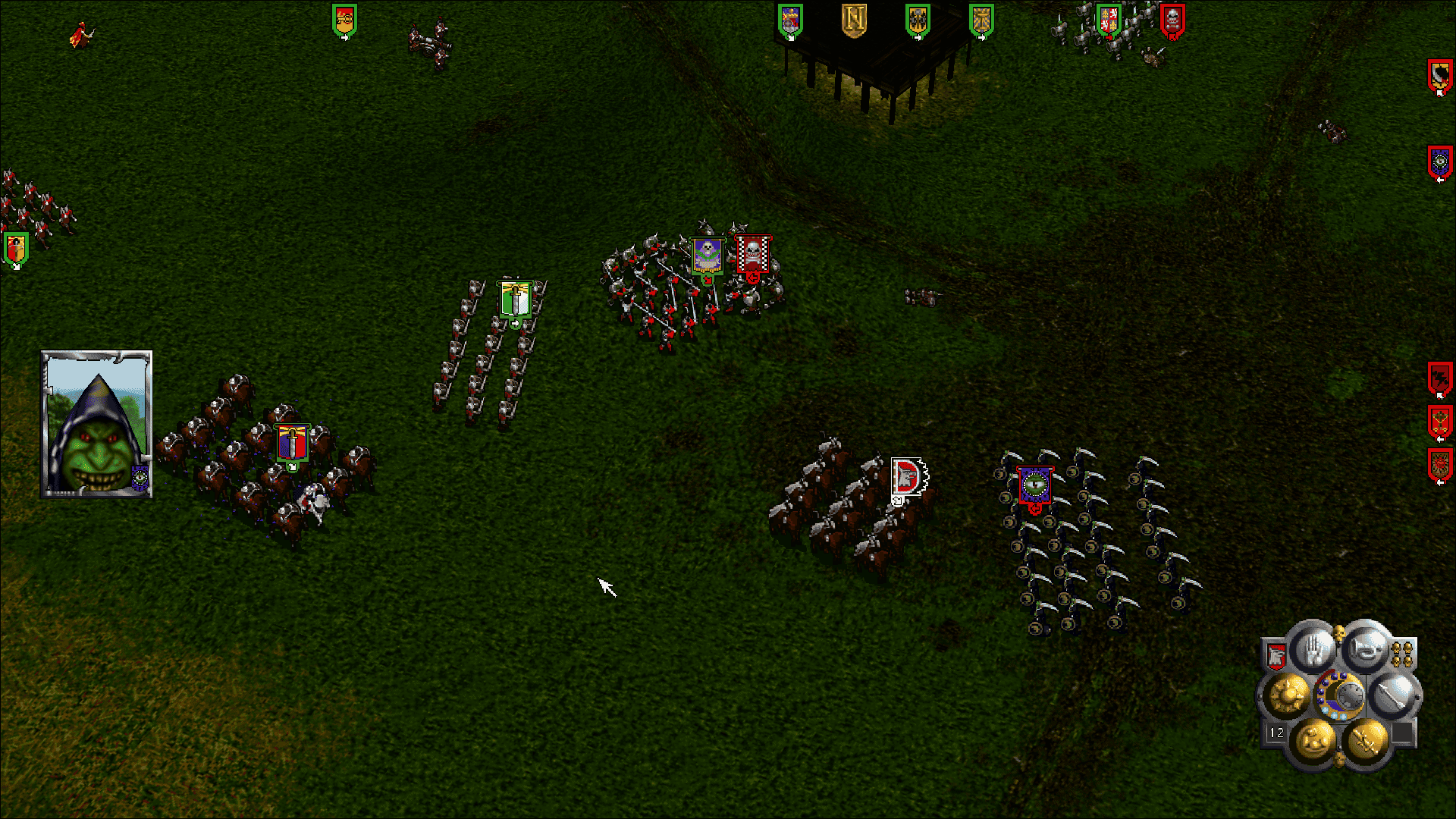
If you want a great strategy entry point, I would recommend Warhammer: Dark Omen or Mark of Chaos. These are among the strongest and most memorable titles in the lineup, and they still have a lot of character today.
If you prefer action, Warhammer 40,000: Fire Warrior is an important one, especially for players curious about how Warhammer worked in that style and era (not to mention a unique T’au perspective).
And if you enjoy something more tactical, Space Hulk is also a very good place to start. The nice thing about the collection is that it is broad enough that different players can find different entry points into Warhammer.
GameObserver: What is your personal favorite title in the Warhammer Classics collection and why?
Klapovskiy: It is really hard to answer. There is no single favorite title, as they are all so different and offer lots of fun. I’ve enjoyed playing all of them.
Shchuiko: Dark Omen and Fire Warrior for me. Dark Omen is a moody, UK-flavoured late-90s game design style with a subtle humour running through its tone, while Fire Warrior shows early cinematic ambition in a pre-modern era of narrative shooters.
GameObserver: Anything else you’d like to tell GameObserver’s readers about the collection?
Klapovskiy: I would simply say that Warhammer Classics is not just a label. For us, it is also a preservation effort. These are games that helped build Warhammer’s legacy in video games, and we believe they should still be available, playable, and remembered. We hope longtime fans will enjoy coming back to them, and that new players will use this collection as a chance to discover where some of these ideas and experiences came from. That is really what this project is about for us.