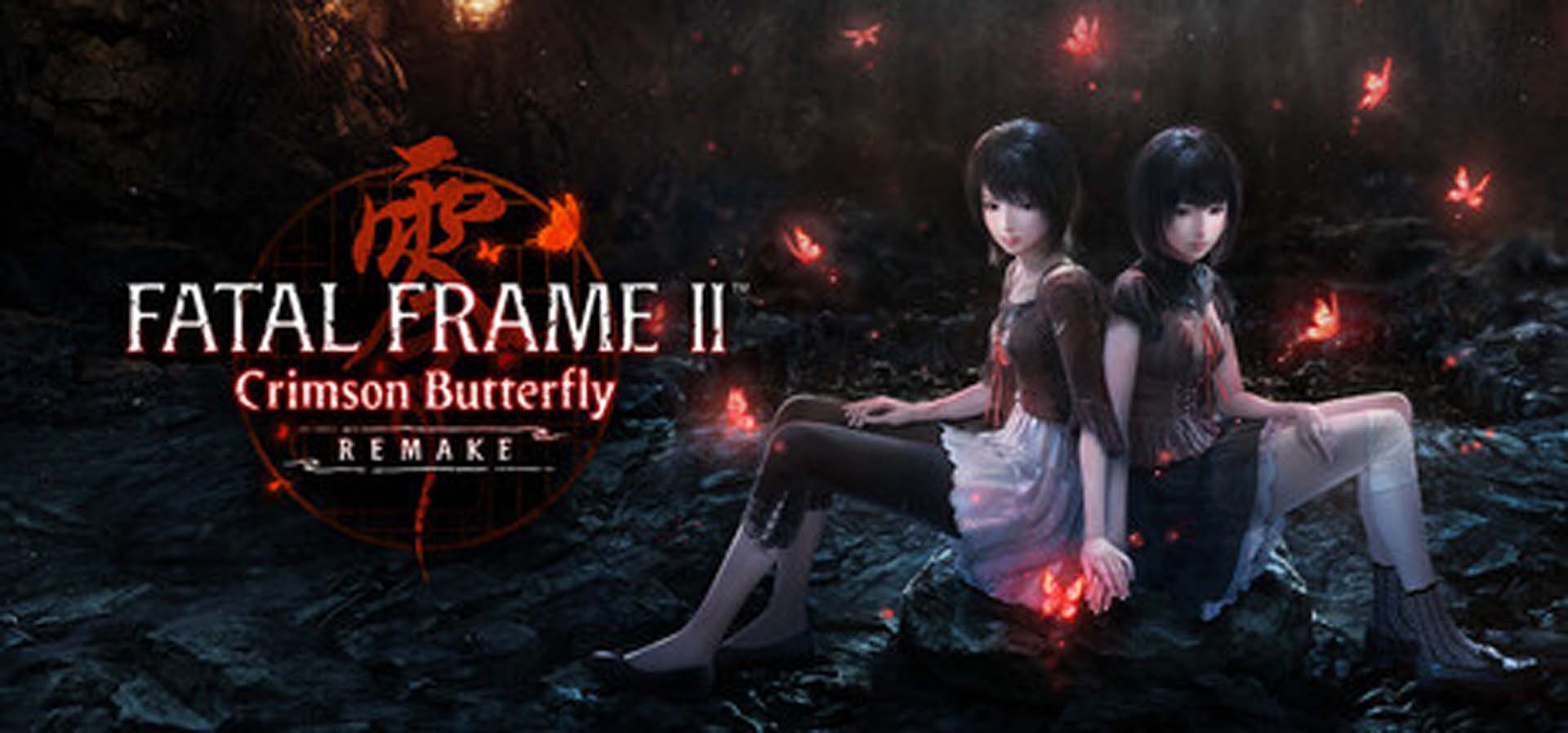
FATAL FRAME II: Crimson Butterfly Remake is a survival horror game developed and published by Koei Tecmo. You play as Mio, who has suddenly been transported into an old village with her twin sister Mayu. Some supernatural force is keeping the twins from leaving, and Mayu seems to know more than she lets on. Will Mio be able to escape with Mayu while surviving the supernatural onslaught coming from the village?
The story is about Mio and Mayu visiting a childhood landmark before it is destroyed by the construction of a nearby dam. When Mayu is distracted by a crimson butterfly, the twins suddenly find themselves in a forgotten village filled with ghosts. While Mio searches for a way out, Mayu gets entangled with the supernatural elements, making it harder to leave. Mio’s investigation reveals the village’s dark past, and the twins’ presence in the village may not be a complete accident.
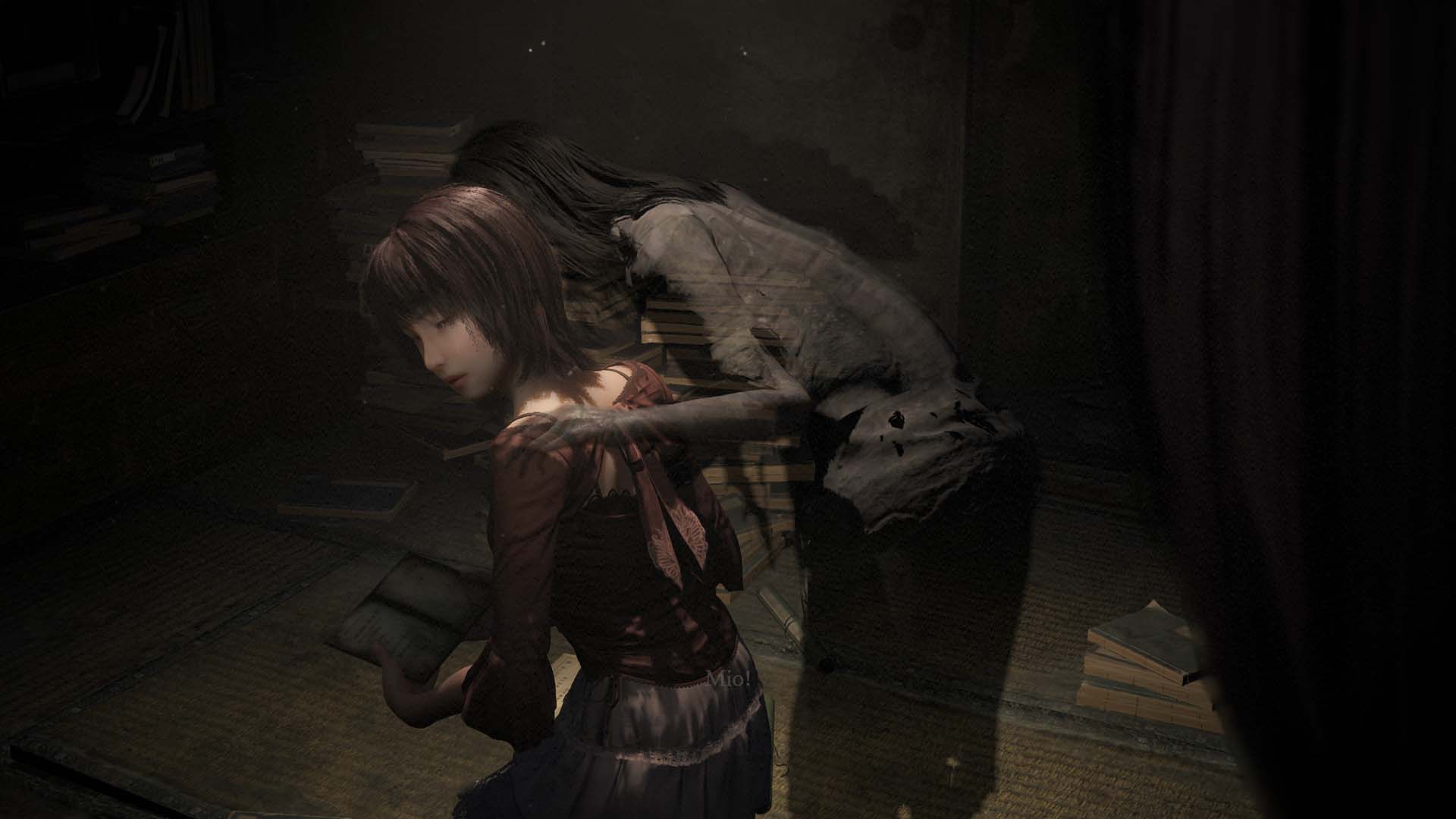
As a remake, it stays true to the original story while adding some new endings. If you have played the original game before, there are almost no changes. The story is vague in the beginning, with the details slowly revealed as you progress. You feel like you are learning the story as Mio is in real time. The storytelling feels vague, but it’s a product of its era, done to enhance the horror without revealing too much.
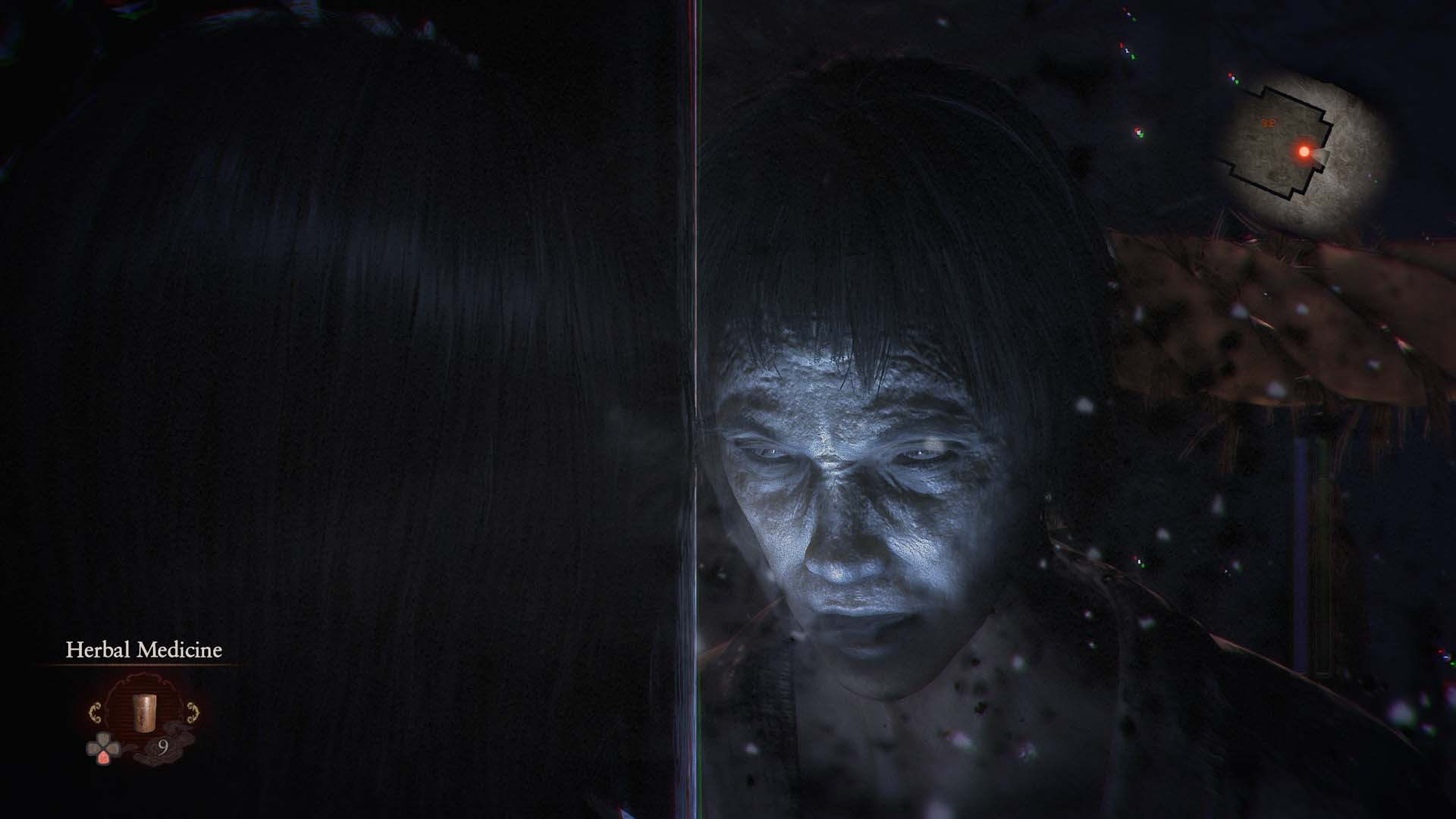
The game is filled to the brim with horror, with ghosts haunting you and jump scares around every corner. After being surprised by ghosts revealing themselves on the other side of the door, you hesitate to open any closed door. Ghosts often appear by surprise in a large area, and some ghosts cannot be subdued, forcing you to run. You also have sections where you must escape with Mayu, forcing you to protect her, or it’s game over.
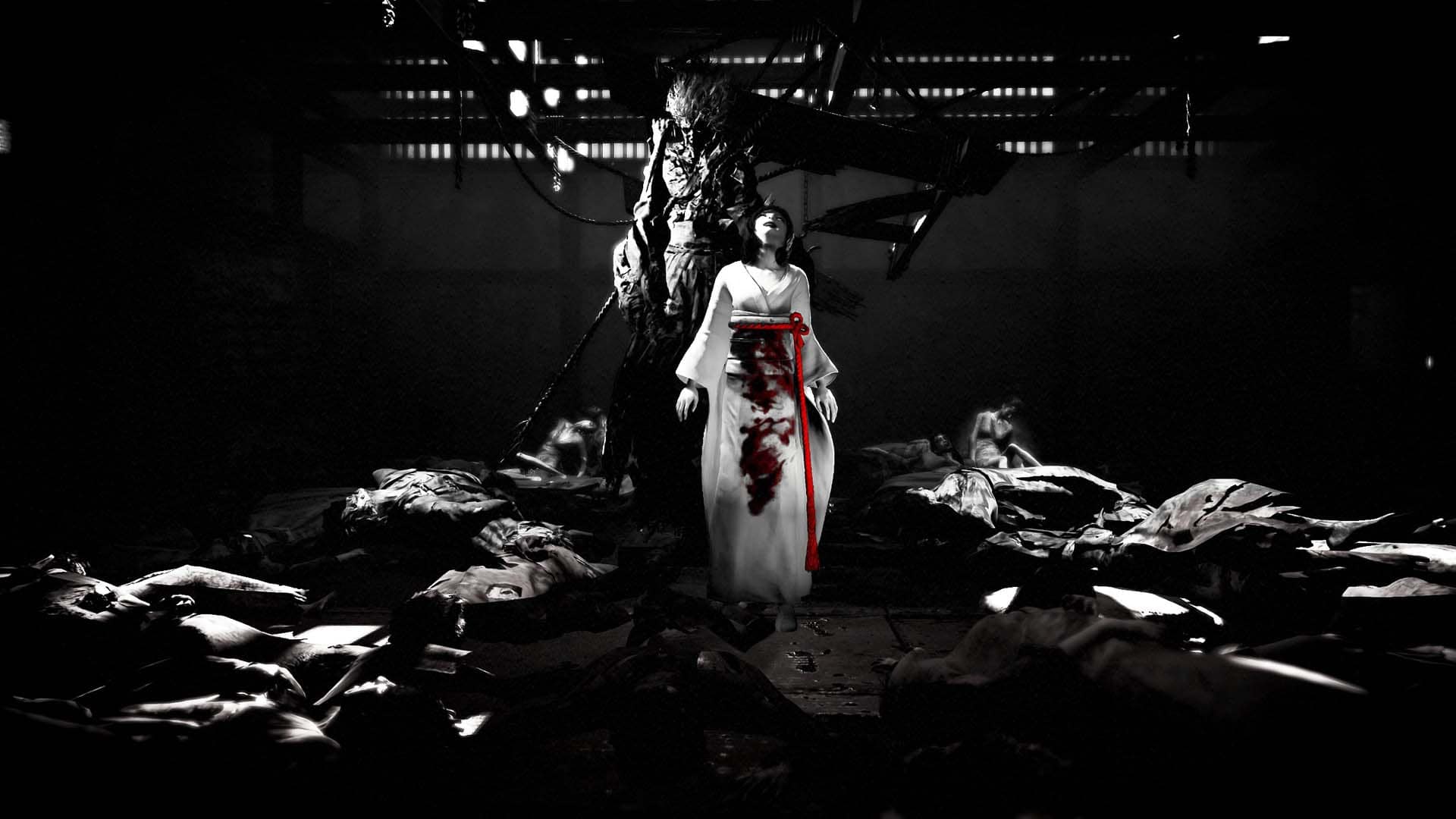
Replayability is a big part of the narrative, with several parts of the story only revealed once you replay the game. This reveals new information that you previously didn’t know or unlocks a new ending depending on your actions. It’s exciting to discover new information and make progress with each playthrough. However, it is taxing to play through the game multiple times, and it isn’t great for players without lots of time.
The game takes place in a haunted village filled with vengeful ghosts and wraiths. Mio is a helpless young girl who can’t fight them off normally. Fortunately, she finds a device called the Camera Obscura to defend herself. By taking pictures of the ghosts, she can banish them to safely explore areas or reveal item locations. However, not all ghosts disappear permanently, and the rewards for defeating them are limited. It’s often better for Mio to hide or sneak past her enemies to reach her destination.
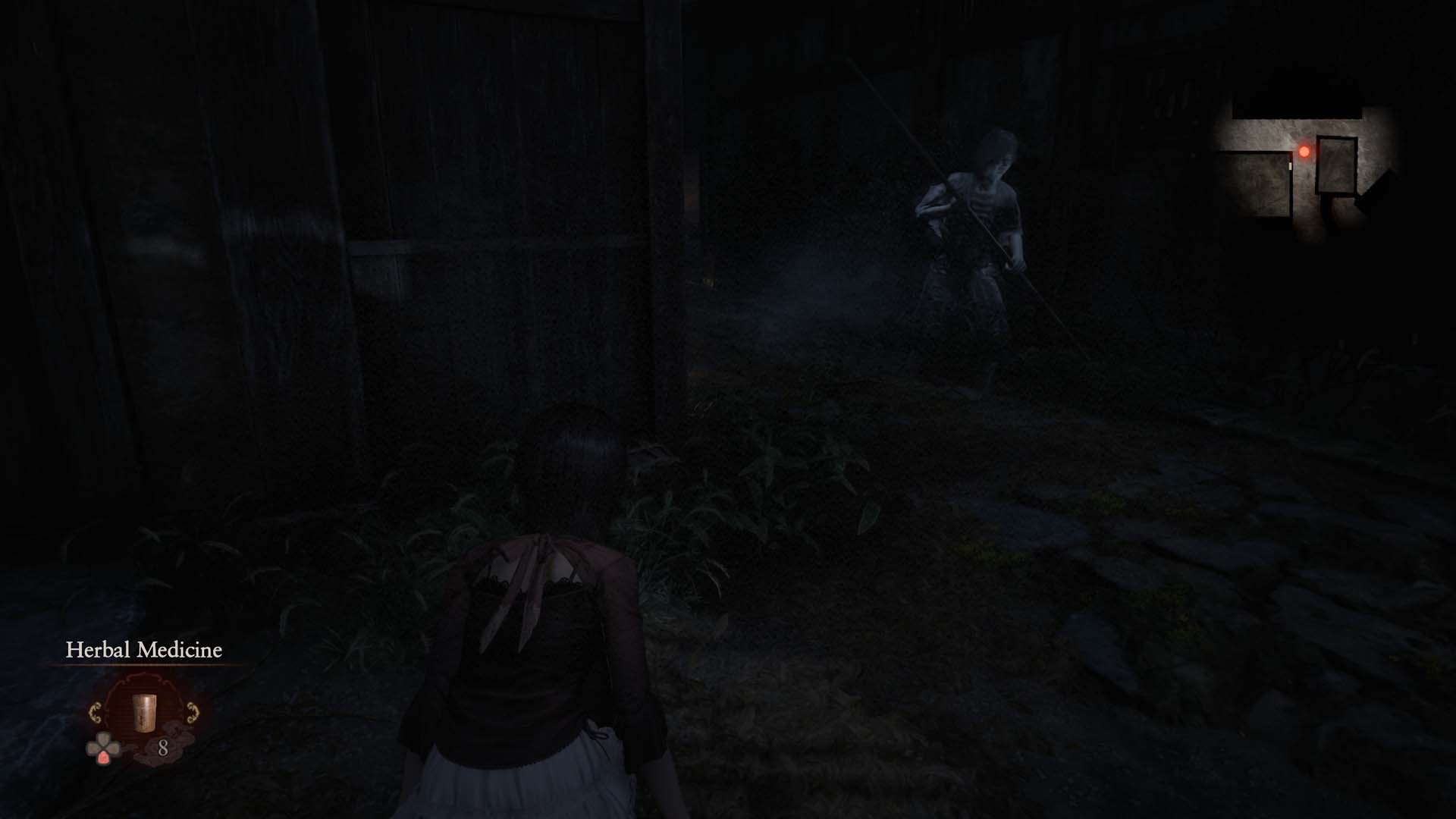
Using the Camera Obscura requires film, and fortunately, Mio has an unlimited supply of one type of film. However, it isn’t very strong, and it takes time to defeat powerful enemies. She encounters more powerful types of film around the village, but they come in limited quantities. You can either spend lots of time defeating enemies or conserve your film until you need it. Learning the best times to conserve resources and balancing that with tough fights is one of the game’s greatest strengths. Mio must be smart about her film usage, or she could be in trouble late in the game.
Mio gets a flashlight to help her reveal items and explore the village trapped in the night. However, ghosts are more likely to notice Mio when the flashlight is on. Sneaking past ghosts isn’t always possible, but it’s rewarding when you find a good hiding place. Unfortunately, confrontation can’t always be avoided, especially in close corridors. Learning to use the Camera Obscura properly is crucial, even if you must resort to low-power film.
Some tutorials appear just when you need them, helping you directly apply the concepts in practice. This is great for internalizing the best times to take pictures while experimenting with new upgrades and filters. Unfortunately, other tutorials fall short with their explanations, making concepts hard to learn.
For example, dodging Leer Attacks is important to preserve willpower, and it’s a big jumpscare. But you are only told that it is something to look out for, rather than the signs it is being used. This results in dodging Leer Attacks solely by luck or until you learn to watch out for ghosts emitting an aura. Better explanations wouldn’t take away from the fear, and it feels like a missed opportunity to help players learn the game.
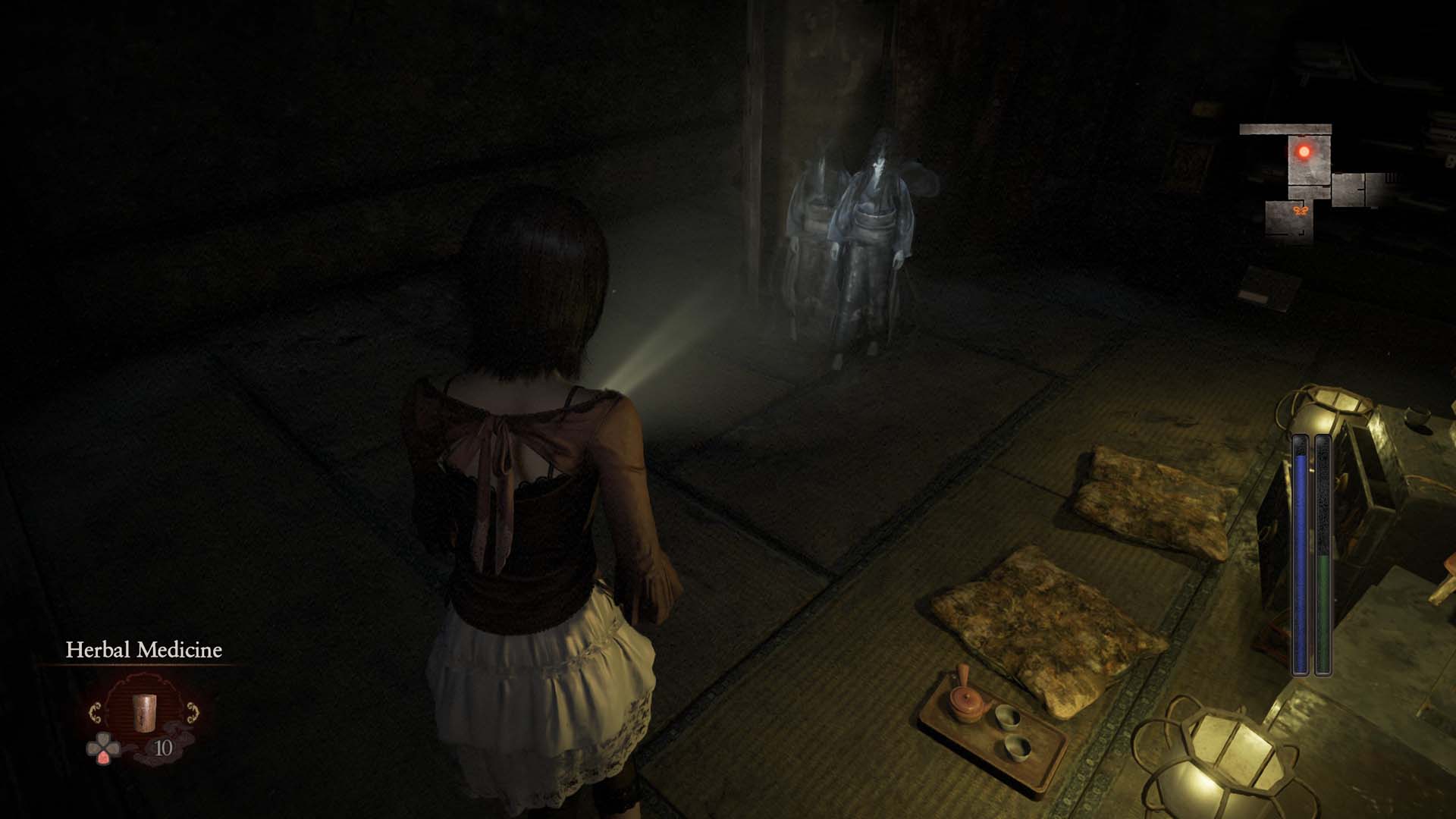
Mio isn’t just taking pictures of ghosts, she’s also solving puzzles to survive. These aren’t difficult puzzles, though dealing with ghosts raises the difficulty. However, some of the story hints, or directions, can be vague, just like the tutorials. Sometimes your objective points you towards a different location when your actual destination is elsewhere. Without using a guide or prior experience, frustration may build as you move towards a location that isn’t relevant.
FATAL FRAME II: Crimson Butterfly Remake captures the spirit of survival horror perfectly with terror literally around the corner. It’s easy to learn the basics, and the puzzles aren’t too difficult. Multiple endings also encourage replayability. However, some concepts aren’t explained properly, and the game’s story hints leave out vital details. The remake improves on the original formula, but it does have frustrating moments that dampen the experience.
Victor reviewed FATAL FRAME II: Crimson Butterfly Remake on PC with a provided review code. This review is based on the version of the game available at the time of writing and our score will not be changed.
- Score
- 8/10 Excellent - Victor Recommends
- Summary
-
FATAL FRAME II: Crimson Butterfly Remake captures the survival horror spirit perfectly, but does show its age.
- More
- GameObserver's Review Policy