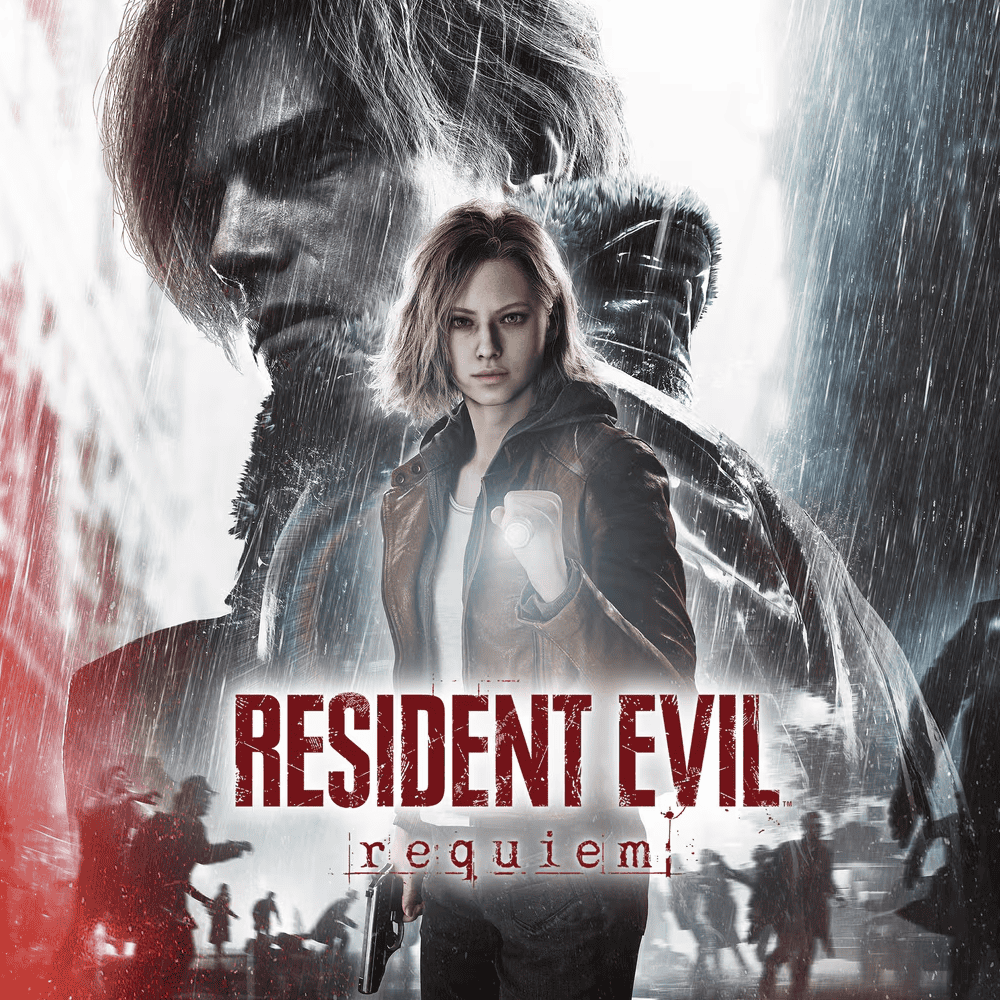
The Resident Evil franchise has undergone somewhat of an identity conflict over the past couple of decades, specifically its wrestling match with being an action horror and a more intense traditional survival horror franchise. Resident Evil 5 and Resident Evil 6 were panned for moving towards an ‘action blockbuster’ gameplay style. But even the more recent entries, Resident Evil 7: Biohazard and Resident Evil Village, which changed the tone entirely for a more P.T.-style first-person survival horror experience, were guilty of falling back into that “go in guns-blazing” action either in their DLC or towards the end of the game. The latest entry in the series, Resident Evil Requiem, has somehow found the perfect solution to this dilemma: why not do both?
Requiem opens with an introduction to a fresh face in the series in the form of Grace Ashcroft, an FBI analyst whose evil boss sends her out on a surprise field mission to investigate the recent string of deaths of Raccoon City incident survivors – all of which have been found dead with some kind of strange bruising on their skin. Not only is deskworker Grace sent out into the field with no backup, but she’s also returning to the abandoned hotel where she watched her mother get murdered – guess who’s not getting a ‘#1 best boss’ mug as a secret Santa gift? While at the hotel, Grace uncovers evidence that someone has been stalking her, at least since that incident in the hotel eight years ago. The culprit, ex-Umbrella scientist Victor Gideon, kidnaps her and takes her to the Rhodes Hill Chronic Care Center, where he has been conducting experiments over the years.

Meanwhile, DSO agent Leon S. Kennedy makes his first return to the franchise since the animated film, Resident Evil: Death Island, set 11 years prior. As survivors of the Raccoon City incident, he and Sherry Birkin, who’s acting as his ‘woman in the chair’, are also exhibiting symptoms of the illness and are investigating in hopes of finding a cure. From then on, the game switches player control between Leon and Grace, offering a contrast in gameplay to please both action horror and survival horror fans… And somehow it just works.
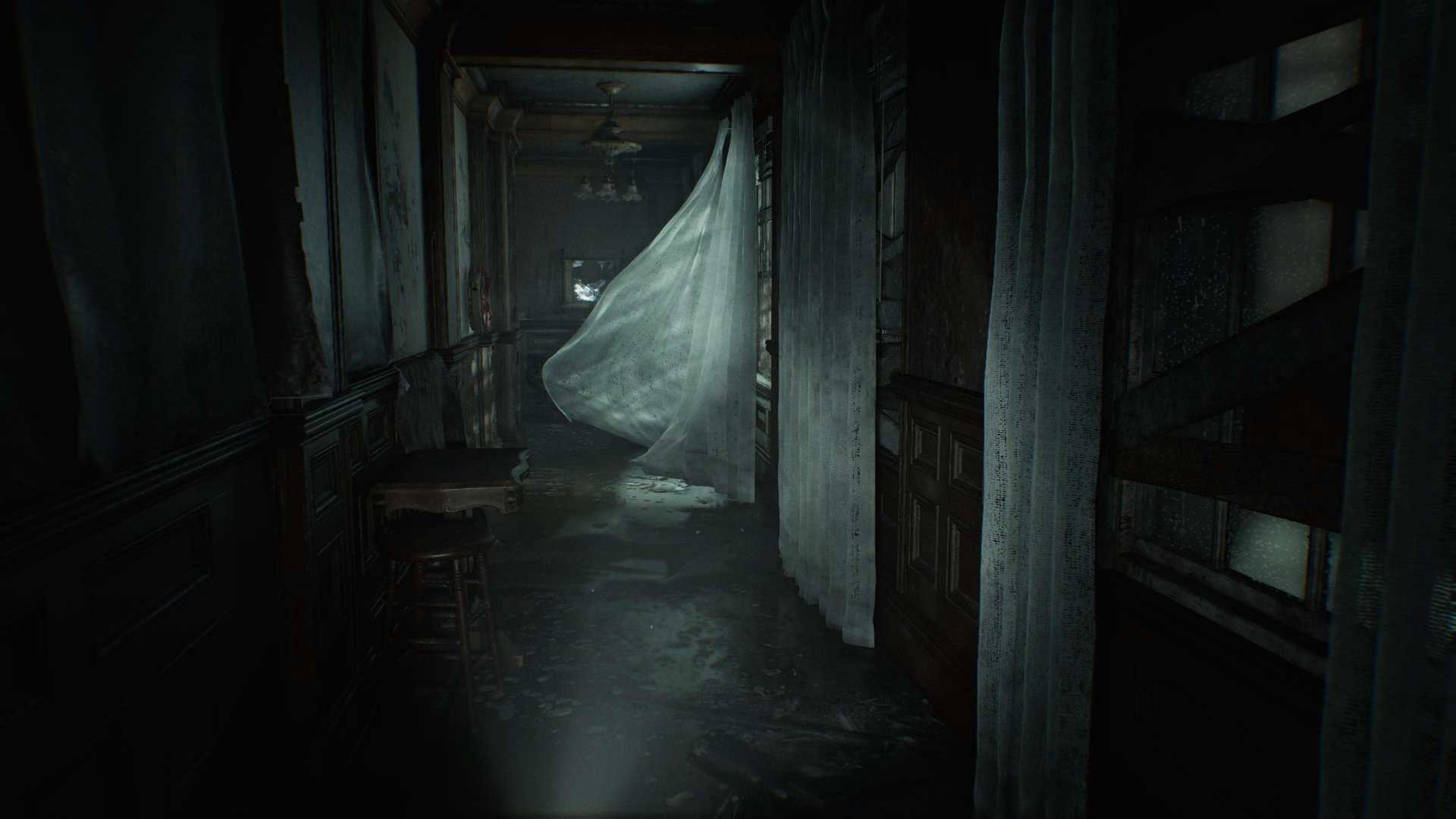
As Grace, we get the traditional survival horror experience; resources are severely limited, and I often had to think about whether each fight was worth it before using my bullets. Many times, I had to get creative with how I approached combat situations, often having only a few bullets and a handful of hopes and dreams to take out large groups. Luckily, a lot of the zombies in Grace’s playthrough are preoccupied with consuming corpses or have a manic fixation on a specific action, such as turning the lights on and off – showcasing the cognitive effects of the disease.
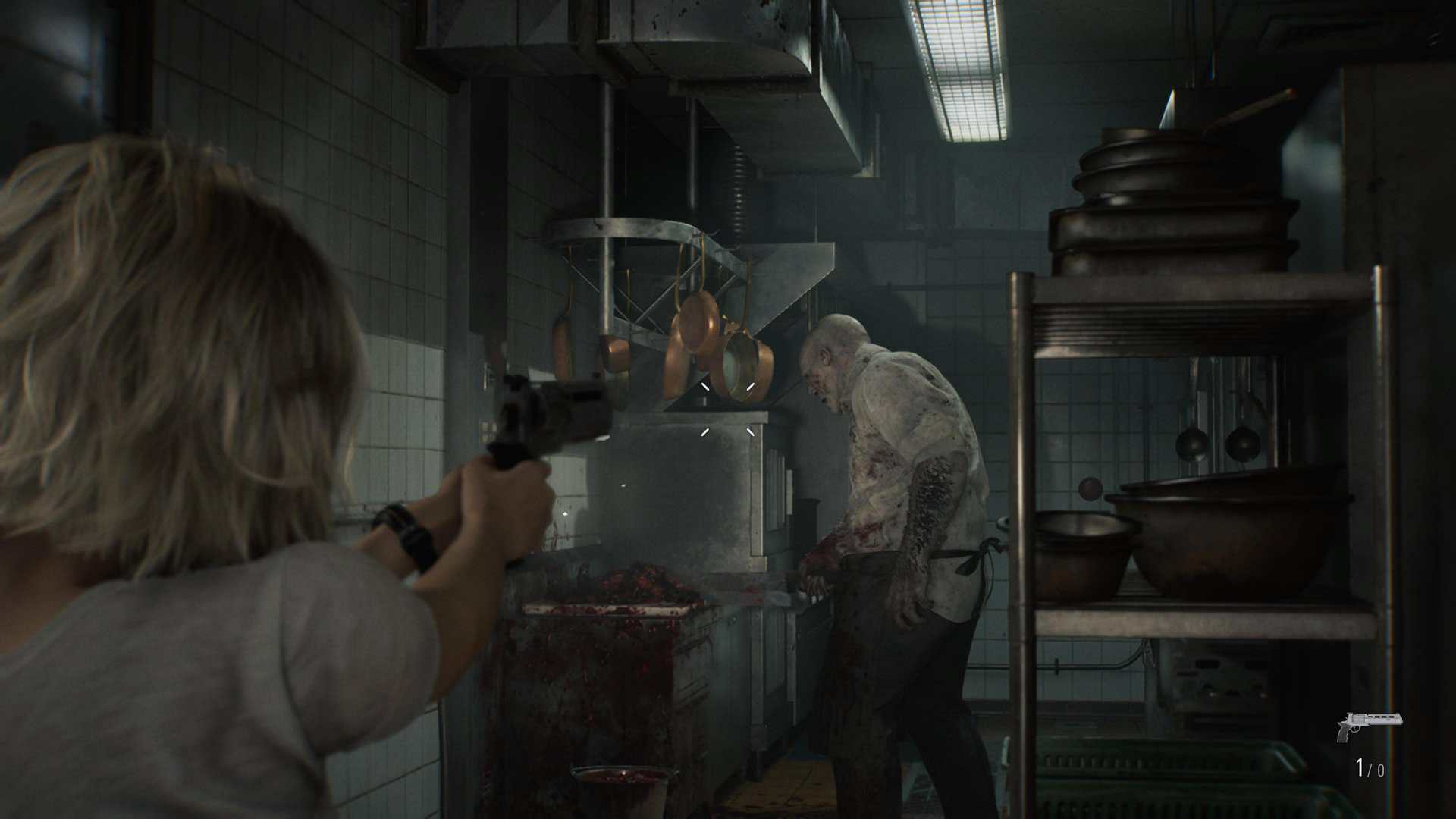
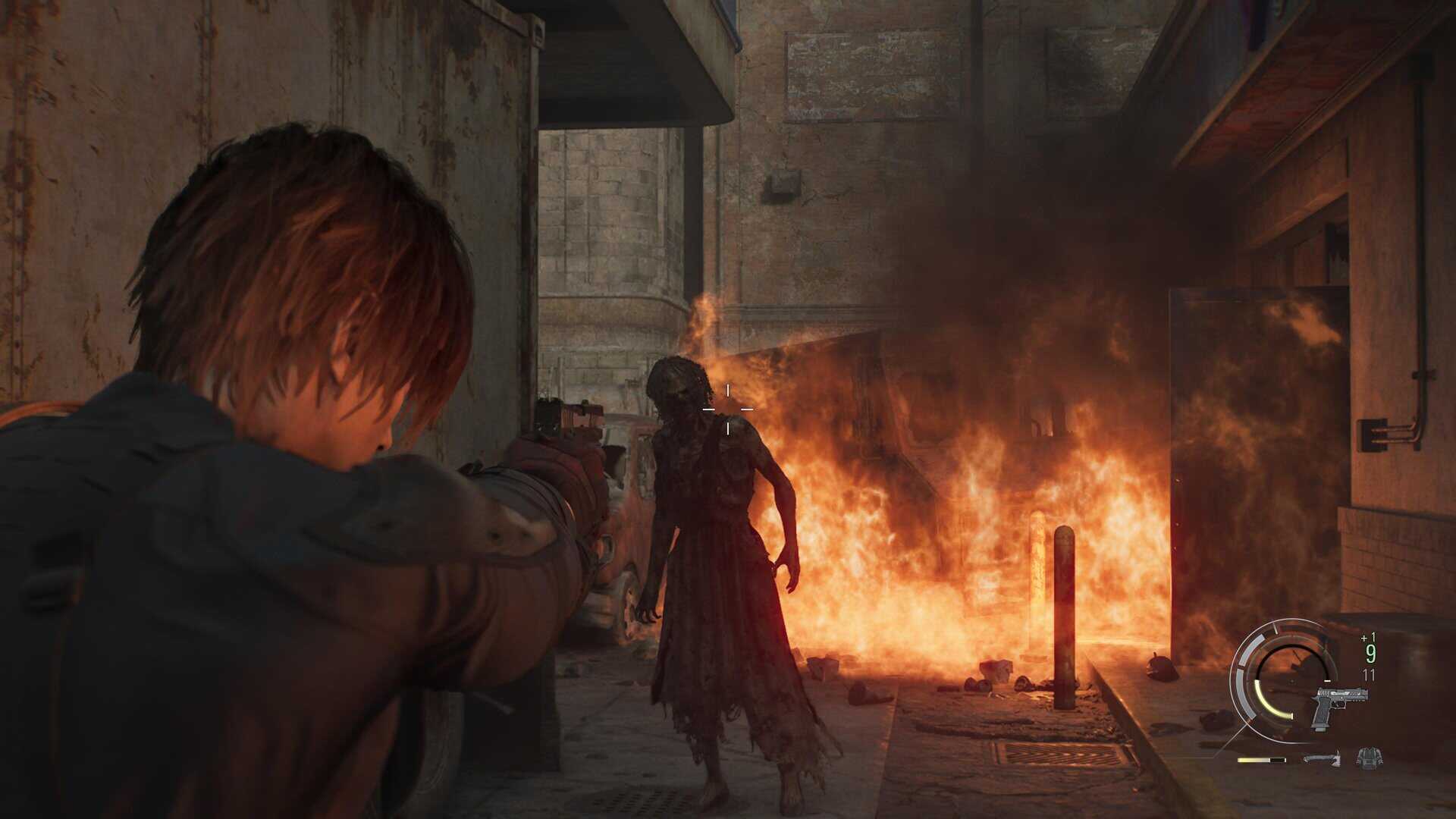
Requiem’s zombies feel more disturbing than previous entries in the series with the simple addition of speech. But it’s not just the ability to strain out some simple, strangled vocabulary that makes them so eerie, it’s the fact that they seem to hold on to some part of their previous personality or job role. While a lot of these are funny – walking into a boss’ office and he shouts “you’re fired” before attacking another zombie – others serve as a sad reminder of the people they once were, putting weight on the countless victims of Umbrella’s experiments. These zombies are more threatening in a physical way, too. Similar to Resident Evil 4, they can clumsily wield weapons, usually something that they happened to have on them when they died, such as a drip stand. Some seem to have even located chainsaws in the hospital.
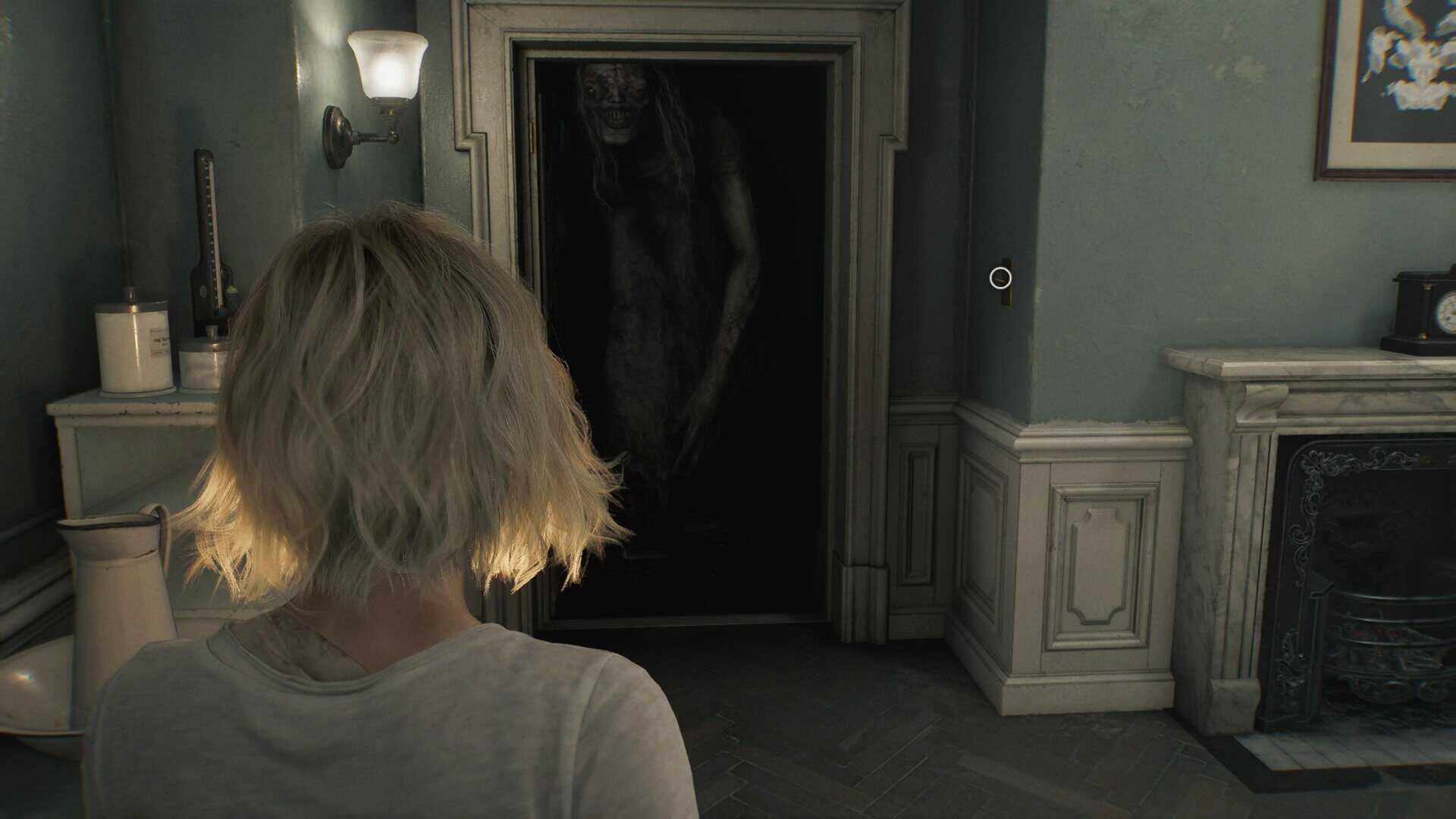
Through its mechanics, Requiem somehow manages to pay homage to nearly every entry in the series, and its use of two protagonists with wholly different playstyles prevents it from feeling too crammed with too many things. While this can be changed in the settings, Grace’s default perspective is first person, carrying on the trend set by the series’ most recent games. As she lacks combat experience, Grace has a more realistic moveset, one that you would likely expect from the average person finding themselves in the middle of a zombie attack. She trips over her own feet when running away from enemies in third-person (a little too much in my opinion, it gets to a point where I wondered if she had a medical condition), her hand shakes when she aims a gun, and she’s absolutely terrified of what’s around every corner. When an enemy is stunned, her melee attack consists of giving them a small shove, usually just enough to either create space for reloading or to squeeze by them and run.
Grace can craft ammo and healing items using infected blood extracted from buckets and pools of blood left behind by enemy kills. However, she initially has a very limited inventory space, forcing the player to be more selective in what they do or don’t pick up. Similar to Biohazard, she can also collect antique coins around the hospital, which open prize cabinets in a casino room (this hospital gets stranger by the minute…), which offer stat upgrades and inventory expansion. Unfortunately, this system gets abandoned during the latter half of the game, which makes Grace’s progression feel stunted.
On the other hand, Leon’s gameplay reflects the Resident Evil 4 remake, sticking to the classic third-person perspective and having a much stronger focus on action and intense combat situations. After spending Grace’s moments scurrying through the halls and avoiding combat at every opportunity, it feels like revenge when it’s Leon’s turn to tread through those same halls, seamlessly mowing the zombies we missed earlier. During combat, the old man’s movements are more fluid, reflecting his combat experience and confidence; he can parry, perform high-impact finishes to stunned enemies, and throw discarded weapons and explosives.

And just like in Resident Evil 4, Leon has a larger inventory than Grace, making room for the heavy arsenal he carries. Rather than a collectable coins upgrade system, Leon’s upgrades reflect the merchant system in Resident Evil 4 as he unlocks the ability to trade in points gained from zombie kills for new equipment and weapon upgrades.
Plot-wise, Requiem has some great moments and maintains the franchise’s corniness that it has become so renowned for. While it has plenty of holes, the franchise isn’t known for its airtight storylines, and while there has been some notably great writing in the most recent entries, for a true Resident Evil experience, the plot only needs to boil down to one thing: it needs to be fun. And Requiem is certainly fun. It blends ridiculous action and silliness with emotional moments seamlessly.

The two protagonists also serve the plot well, with Grace being a new face to the franchise and bringing forth her own tragic backstory. Her characterisation is a new take which we haven’t seen before in this franchise, and as a result, she really stands out among previous protagonists. She’s severely socially awkward, has a stammer during most of her dialogue, and shows genuine terror at what’s going on around her. Meanwhile, Leon has a surprisingly emotional return as he digs up some ghosts from the past in order to find closure – which gets especially touching with the throwbacks to the bright-eyed, hopeful young man whose life changed when he showed up for his first day at the Raccoon City Police Department in 1998.
However, while I really loved Grace’s earlier segments in Requiem, I felt like she was pushed aside in the latter half to give Leon his moments. Her gameplay does dominate most of the early game, making Leon’s focus in the later parts make sense, but I would have liked to see the endgame moments be a joint effort between them. Grace’s strength is shown to be her intelligence earlier on when she’s seen investigating the Raccoon City incident, even at a young age, and then later becoming a data analyst for the FBI in her early twenties. However, this is not utilised as much as it should have been, with the endgame feeling less like a collaborative effort (in fact, Grace makes some very stupid decisions in the latter half).
The two main villains, if you can even call the second one a main villain with his disappointingly minimal screentime, do feel less memorable than the villains in Biohazard and Village. Which is a shame, as these two titles have become well-known for their iconic antagonists. It took me around 12 hours to complete Requiem, and while I found this to be the perfect length for a survival horror game, and its strong gameplay variety avoided the pacing issues that Biohazard, the Resident Evil 4 remake, and Village suffered from, I do think there was still some room for better characterisation of its villains. It was also a huge shame that there wasn’t even a mere mention of the other Raccoon City Incident survivors: Ada Wong, Jill Valentine, and Claire Redfield, especially considering their link to the main plot.
Visually, Requiem is the best that Resident Evil has ever looked. Capcom does a superb job with the earlier horror sections as Grace creeps around the hotel and then the care centre later on. There’s some new enemy types which add variety to the combat while also keeping things unpredictable, as well as some old favourites. The setting and level design work really well to add to the game’s atmosphere and that feeling of not knowing what’s around each corner. If you hear slamming, it might be a zombie smashing their face against the wall or hitting something. If you hear footsteps coming from above, it might just be atmospheric sounds, or the game could be introducing us to a new enemy.
Angela Sant’Albano also puts on a standout performance as Grace, certainly the best in the franchise and already my favourite performance of the year. A lot of Grace’s character can be put down to her performance, as it wouldn’t have been the same without her remarkable portrayal of someone experiencing genuine terror and despair. I would even go as far as to say it’s one of the best performances that I’ve seen in a video game. Nick Apostolides returns as Leon, having previously portrayed him in the Resident Evil 2 remake, Resident Evil 4 remake, and Netflix’s Resident Evil: Infinite Darkness animated mini series. Having voiced Leon as a younger man, Nick had the task of bringing to life that same voice but in his 50s, and the results are not only what I realistically expected a 50-year-old Leon to sound like, but also serve really well during the more emotional moments.
With its culmination of homages to each game in the series, Requiem feels like it could have been a requiem to Resident Evil as a whole. With so many components from previous entries in the series brought together, it’s a miracle that Requiem doesn’t feel too crammed full of various game mechanics and styles – it just works. Somehow, Capcom has mastered being the Jack of all Trades and become the master of them all. And the best thing about it? With how corny and unserious this series is, we can keep going. Capcom can keep saying goodbye to the Umbrella Corporation over and over again, and then invent new ways for them to make a return with a new snazzy bioweapon they’ve created. And after finishing Resident Evil Requiem, I’m only itching for more.
Jess played Resident Evil Requiem on PlayStation 5 with her own bought copy. This review is based on the version of the game available at the time of writing and our score will not be changed.
- Score
- 9/10 Outstanding - Jess Recommends
- Summary
-
While it's not perfect in terms of its narrative, Resident Evil Requiem is the perfect culmination of all the series' best bits to date - and it's incredibly fun to play.
- More
- GameObserver's Review Policy